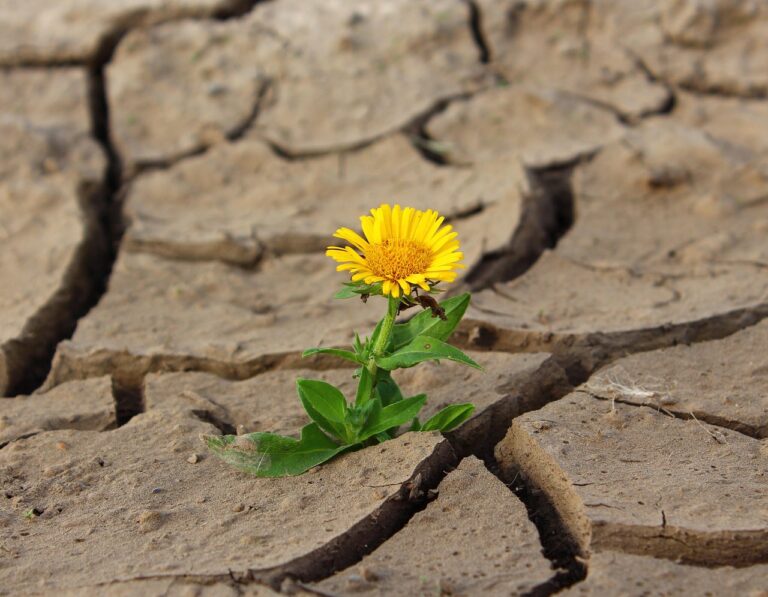
In our fast-paced world, the lines between work and personal life often blur, leading many to feel perpetually exhausted and overwhelmed. This isn’t just everyday stress; it’s a profound state known as burnout. Burnout is a silent epidemic, creeping into our lives, eroding our energy, enthusiasm, and sense of purpose. If you’ve found yourself staring blankly at your screen, feeling detached from your work and even your loved ones, or struggling to find motivation for simple tasks, you’re likely experiencing the profound impact of burnout. But here’s the crucial message: recovery is not only possible but essential for a fulfilling and healthy life. This comprehensive guide will walk you through understanding burnout, actionable steps for recovery, and strategies to build long-term resilience.
Understanding Burnout: More Than Just Stress
Before we can embark on the journey of burnout recovery, it’s vital to truly understand what burnout is, its myriad signs, and its potential long-term impact if left unaddressed.
What is Burnout?
Burnout is a state of emotional, physical, and mental exhaustion caused by prolonged or excessive stress. The World Health Organization (WHO) officially recognized burnout as an occupational phenomenon in its International Classification of Diseases (ICD-11), defining it by three dimensions:
- Feelings of energy depletion or exhaustion: A persistent, profound fatigue that doesn’t improve with rest.
- Increased mental distance from one’s job, or feelings of negativism or cynicism related to one’s job: A growing sense of detachment and negativity towards work.
- Reduced professional efficacy: A diminished sense of accomplishment and productivity.
It’s crucial to distinguish burnout from ordinary stress. While stress is characterized by over-engagement, hyperactivity, and urgency, burnout is marked by disengagement, helplessness, and hopelessness. Stress can be managed with short breaks; burnout requires a fundamental shift in approach and often, significant time for recovery.
Recognizing the Signs
Burnout manifests differently for everyone, but common indicators fall into several categories:
- Emotional Exhaustion:
- Feeling drained and unable to cope.
- Lack of motivation and increased pessimism.
- Irritability, anger, or feeling overwhelmed.
- Physical Symptoms:
- Chronic fatigue and sleep disturbances (insomnia or excessive sleep).
- Frequent headaches, muscle pain, or stomach issues.
- Weakened immune system, leading to more frequent illness.
- Cognitive Impairment:
- Difficulty concentrating, poor memory, and indecisiveness.
- Reduced creativity and problem-solving abilities.
- Behavioral Changes:
- Withdrawal from social activities and loved ones.
- Procrastination and reduced productivity at work.
- Increased use of unhealthy coping mechanisms (e.g., alcohol, excessive screen time).
Practical Example: You might notice yourself snapping at colleagues for minor issues, struggling to complete tasks you once found easy, or feeling a heavy dread on Sunday evenings thinking about the week ahead. These aren’t just “bad days”; they’re critical signals.
The Impact of Unaddressed Burnout
Ignoring burnout can have severe consequences, impacting not just your professional life but your overall health and personal relationships:
- Health Risks: Increased risk of heart disease, type 2 diabetes, depression, and anxiety disorders.
- Work Performance: Decreased job satisfaction, higher absenteeism, and potential job loss.
- Personal Life: Strain on relationships, social isolation, and a general loss of enjoyment in life.
Actionable Takeaway: Take a moment to honestly assess if you identify with several of these signs. Self-awareness is the crucial first step on your journey to burnout recovery.
Phase 1: Acknowledgment and Pausing for Recovery
The initial stage of burnout recovery focuses on recognizing the need for change and creating immediate space for rest and reflection. It’s about hitting the pause button.
Accepting the Need for Change
One of the biggest hurdles in burnout recovery is acknowledging that you are burnt out. Many people push through, believing it’s a sign of weakness to admit exhaustion or that they “should” be able to handle it. This mindset is dangerous.
- Overcoming Denial: Recognize that burnout is a legitimate health issue, not a personal failing.
- Challenging the Stigma: Understand that prioritizing your well-being is a strength, not a weakness.
- Reframe Your Perspective: View recovery as an investment in your future productivity and happiness.
Practical Example: Instead of saying “I’m just tired,” try “My body and mind are signaling that I need significant rest and a change in how I approach my responsibilities.”
Strategic Disengagement
Taking a break is paramount. This might mean taking a few days off, a long weekend, or even a more extended leave of absence, if possible. The goal is to create distance from the stressors.
- Plan Time Off: Even a short break can provide much-needed breathing room. If a long vacation isn’t feasible, schedule several long weekends.
- Set Boundaries: Communicate clearly with colleagues and family about your availability during your recovery period. This could mean turning off work notifications after hours or dedicating specific times for personal activities.
- Digital Detox: Consider limiting screen time, especially from work-related devices. The constant influx of information and demands can perpetuate exhaustion.
Practical Example: If you’re a manager, delegate tasks or inform your team that you’ll be unreachable for certain periods. If you’re an employee, communicate with your supervisor about your need for time off and pre-plan to wrap up urgent tasks. Implement a “no work emails after 6 PM” rule, and stick to it.
Prioritizing Rest
Rest is not a luxury; it’s a biological necessity, especially during burnout recovery. This involves more than just sleep.
- Quality Sleep: Aim for 7-9 hours of uninterrupted sleep per night. Establish a consistent sleep schedule and create a relaxing bedtime routine.
- Active Rest: Engage in activities that are truly restful and rejuvenating, not just distracting. This could be reading a book, listening to music, light stretching, or spending time in nature.
- Avoid Over-Scheduling: During this initial phase, resist the urge to fill your “downtime” with other obligations. The goal is to reduce demands, not replace them.
Practical Example: Before bed, put away your phone an hour early. Instead, read a physical book, take a warm bath, or listen to calming music. Try a 20-minute gentle yoga session in the morning instead of immediately checking emails.
Actionable Takeaway: Commit to taking at least one full day this week where you completely disconnect from work and obligations. Use this time solely for rest and gentle, enjoyable activities.
Phase 2: Rebuilding Energy and Nurturing Well-being
Once you’ve paused and created some space, the next phase focuses on actively rebuilding your physical, emotional, and mental resources. This is about nurturing your well-being from the inside out.
Physical Restoration
Your body is the foundation of your well-being. Burnout often depletes physical reserves, making replenishment critical.
- Nutritious Diet: Focus on whole, unprocessed foods. Lean proteins, fruits, vegetables, and whole grains provide sustained energy and support brain health. Avoid excessive caffeine and sugar, which can lead to energy crashes.
- Regular Movement: Gentle exercise can significantly boost mood and energy levels. Start small:
- Daily walks in nature.
- Light stretching or yoga.
- Swimming or cycling.
- Hydration: Drink plenty of water throughout the day. Dehydration can exacerbate fatigue and affect cognitive function.
Avoid intense workouts initially, as they can add to existing stress.
Practical Example: Instead of skipping breakfast, prepare overnight oats. Pack a healthy lunch instead of relying on takeout. Take a 15-minute walk during your lunch break to get some fresh air and clear your head.
Emotional Regulation
Burnout leaves emotions frayed. Learning to acknowledge, process, and regulate your feelings is a key component of recovery.
- Mindfulness and Meditation: Practices like mindfulness can help you stay present, reduce rumination, and observe thoughts without judgment. Even 5-10 minutes daily can make a difference.
- Journaling: Writing down your thoughts and feelings can be a powerful tool for emotional processing, helping you identify patterns and externalize stressors.
- Expressing Creativity: Engage in creative outlets like drawing, painting, playing an instrument, or gardening. These activities can be meditative and provide a sense of accomplishment.
- Emotional Literacy: Learn to identify your emotions accurately. Resources like “The Atlas of Emotions” can be helpful.
Practical Example: Download a meditation app like Calm or Headspace. Spend 10 minutes each evening writing about your day, focusing on what you felt and why. Pick up an old hobby you loved, like sketching or playing guitar.
Reconnecting with Self and Others
Burnout often leads to isolation. Reconnecting with activities and people who bring you joy is vital for rekindling your inner spark.
- Rediscover Hobbies and Passions: What did you love doing before burnout? Make time for those activities again, even if it feels difficult at first.
- Nurture Relationships: Spend quality time with supportive friends and family. Share your experiences, but also engage in activities that bring lightness and laughter.
- Seek Professional Support: Consider therapy or counseling. A mental health professional can provide strategies for coping, help you identify underlying causes of burnout, and guide you through the recovery process. Cognitive Behavioral Therapy (CBT) and Acceptance and Commitment Therapy (ACT) are particularly effective.
Practical Example: Schedule a weekly coffee date with a close friend. Join a local club or class related to an old interest (e.g., a book club, hiking group). Research therapists in your area and book an introductory session.
Actionable Takeaway: Implement one new self-care ritual into your daily routine this week, focusing on either physical restoration (e.g., a healthy breakfast) or emotional well-being (e.g., 5 minutes of mindful breathing).
Phase 3: Developing Sustainable Strategies for Long-Term Resilience
Recovery isn’t just about bouncing back; it’s about building lasting resilience to prevent future burnout. This phase focuses on systemic changes to your lifestyle and work habits.
Work-Life Integration (Beyond Balance)
Instead of thinking about a rigid “work-life balance,” consider integration—how work and life can coexist harmoniously, supporting each other rather than competing.
- Define Your Values: Understand what truly matters to you. Align your work and personal choices with these values.
- Time Management Skills: Learn to prioritize effectively. Use tools like the Eisenhower Matrix (urgent/important) or the Pomodoro Technique to manage tasks and prevent overload.
- Batching Tasks: Group similar tasks together (e.g., responding to emails at specific times) to improve focus and efficiency.
Practical Example: If “family time” is a core value, schedule non-negotiable family dinner times or weekend activities. Use a digital calendar to block out personal appointments and stick to them as firmly as work meetings.
Boundary Setting Mastery
Effective boundaries are your primary defense against future burnout. This applies to your time, energy, and mental space.
- Learn to Say “No”: Politely decline requests that don’t align with your priorities or capacity. Remember, saying “no” to one thing allows you to say “yes” to something more important.
- Protect Your Time: Establish clear start and end times for work. Avoid checking work emails or messages outside these hours.
- Communicate Expectations: Clearly articulate your availability and limits to colleagues, managers, and even family members.
Practical Example: If a colleague asks you to take on an extra project, respond with, “I appreciate you thinking of me, but I’m currently at capacity to ensure I deliver high quality on my existing projects.” Set an automatic email reply for non-work hours if necessary.
Building a Support System
You don’t have to face challenges alone. A strong support network is invaluable for navigating stress and preventing relapse into burnout.
- Professional Mentors: Seek guidance from experienced professionals who have successfully navigated similar career paths or challenges.
- Peer Support: Connect with colleagues or peers who understand your work environment and can offer empathy and practical advice.
- Personal Network: Lean on friends and family for emotional support and encouragement.
- Consider a Coach: A burnout or life coach can provide structured support, accountability, and strategies tailored to your unique situation.
Practical Example: Join a professional association or online community related to your field. Schedule regular check-ins with a trusted mentor. Be open with a close friend about your struggles and ask for their support.
Learning to Delegate and Prioritize
Effective workload management is critical. Burnout often stems from feeling responsible for too much.
- Identify What You Can Delegate: Assess your tasks. Can anything be given to a team member, outsourced, or automated?
- Master Prioritization: Not all tasks are created equal. Focus on high-impact, important tasks first. The 80/20 rule (Pareto Principle) can be very helpful here.
- Embrace “Good Enough”: Striving for perfection in every task is a recipe for burnout. Understand when “good enough” is truly sufficient.
Practical Example: If you’re a team leader, empower your team members by entrusting them with more responsibilities. For personal tasks, consider hiring help for chores like cleaning or yard work if your budget allows, freeing up your valuable time and energy.
Actionable Takeaway: Identify one area where you can set a firmer boundary this week – whether it’s saying “no” to a request or enforcing your work-life cutoff time. Practice this new boundary consistently.
Professional Support and Resources for Burnout Recovery
While self-help strategies are powerful, sometimes professional guidance is necessary and incredibly beneficial for effective and lasting burnout recovery.
When to Seek Professional Help
It’s important to recognize when the impact of burnout is too significant to manage alone. Consider seeking professional help if:
- Your symptoms persist or worsen despite self-care efforts.
- You experience severe emotional distress, such as intense anxiety, prolonged sadness, or feelings of hopelessness.
- Your burnout is significantly impacting your daily functioning, relationships, or physical health.
- You have thoughts of self-harm or withdrawal.
Types of professionals who can help:
- Therapists/Counselors: Offer a safe space to process emotions, develop coping strategies, and address underlying issues. They might use approaches like CBT, ACT, or psychodynamic therapy.
- Coaches (Burnout/Life Coaches): Provide structured guidance, accountability, and practical tools to navigate career changes, improve work-life boundaries, and build resilience.
- Doctors/Physicians: Can rule out any underlying physical conditions mimicking burnout symptoms and provide medical advice or prescriptions if necessary (e.g., for sleep issues or severe anxiety).
Practical Example: If you consistently wake up feeling dread, struggle to get out of bed, or find yourself withdrawing from social interactions entirely, reach out to a general practitioner who can refer you to a mental health specialist.
Exploring Workplace Support Programs
Many organizations are recognizing the prevalence of burnout and offering resources to support their employees.
- Employee Assistance Programs (EAPs): Many companies offer EAPs, which provide free and confidential counseling services, legal advice, and financial guidance. These services are often underutilized but can be a lifeline.
- Flexible Work Arrangements: Inquire about options like remote work, flexible hours, or compressed workweeks that could alleviate stress and improve work-life integration.
- Mental Health Initiatives: Some workplaces offer workshops, stress management training, or even on-site wellness programs.
Practical Example: Check with your HR department for information about your company’s EAP. Even if you’re hesitant to use it for counseling, they might offer resources for stress management workshops or financial planning, which can reduce related stressors.
Online Resources and Communities
The digital world offers a wealth of support, from educational platforms to virtual communities.
- Mental Health Apps: Apps like Headspace, Calm, or Moodpath offer guided meditations, mood tracking, and CBT exercises.
- Online Courses and Workshops: Many platforms offer courses on stress management, mindfulness, and resilience building.
- Support Forums and Groups: Online communities can provide a sense of belonging and allow you to share experiences with others facing similar challenges (e.g., Reddit communities, specialized forums).
Practical Example: Spend 15 minutes researching reputable online resources for burnout recovery. Start with a free trial of a meditation app or explore mental health charities’ websites for self-help guides.
Actionable Takeaway: Don’t hesitate to seek professional help if you’re struggling. Take the first step by researching an EAP, therapist, or coach today. Early intervention can significantly shorten your recovery journey.
Conclusion
Burnout is a serious condition, but it is not a life sentence. The journey to burnout recovery is a marathon, not a sprint, requiring patience, self-compassion, and a commitment to change. From understanding its pervasive signs and taking crucial pauses to rebuilding your physical and emotional reserves and fostering long-term resilience, each step brings you closer to a healthier, more fulfilling existence. Remember that seeking support, whether from loved ones, professional therapists, or workplace programs, is a sign of strength, not weakness. You deserve to live a life free from chronic exhaustion and overwhelming stress. Start your recovery journey today, one mindful step at a time, and reclaim your energy, passion, and peace of mind.