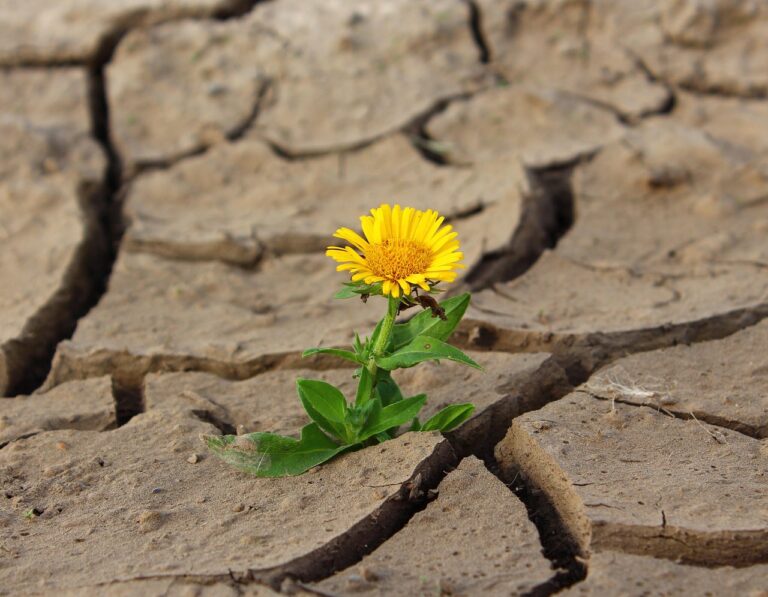
In a world that often celebrates external achievements and quick fixes, there’s a profound journey that often goes overlooked: the path of inner healing. This isn’t about simply “getting over” past hurts or pushing uncomfortable emotions aside. It’s a courageous process of delving into the depths of our being to acknowledge, understand, and ultimately transform the emotional wounds, traumas, and limiting beliefs that shape our lives. True well-being isn’t just the absence of illness; it’s the vibrant presence of emotional clarity, resilience, and an authentic connection to our truest selves. Embarking on this inner healing journey is perhaps the most significant investment you can make in your overall health, relationships, and future.
Understanding Inner Healing: More Than Just “Getting Over It”
Inner healing is the deep psychological and emotional work required to address unresolved pain, past traumas, and unconscious patterns that hinder our personal growth and emotional well-being. It’s a holistic approach that recognizes the intricate connection between our past experiences and our present reality.
What is Inner Healing?
At its core, inner healing is the process of acknowledging and processing the emotional scars that accumulate throughout our lives. These scars can stem from childhood experiences, significant losses, traumatic events, or even subtle, long-term patterns of invalidation or neglect. Instead of merely coping with symptoms, inner healing seeks to identify and treat the root causes of our emotional distress.
- It involves looking inward with compassion and curiosity.
- It’s about understanding how past events continue to influence our thoughts, feelings, and behaviors today.
- It’s not about forgetting or erasing the past, but about integrating it in a way that no longer holds us captive.
Why Traditional Coping Falls Short
Many of us learn coping mechanisms that offer temporary relief but fail to address the underlying issues. While distraction, denial, or suppression might numb the pain for a while, they don’t resolve it. These strategies often lead to a buildup of unresolved emotions, like a pressure cooker waiting to blow.
- Suppression: Pushing emotions down leads to them surfacing later in unexpected and often destructive ways.
- Distraction: Constantly seeking external stimulation (work, entertainment, substances) to avoid confronting internal discomfort.
- Denial: Refusing to acknowledge the impact of past events, preventing any possibility of healing.
The Ripple Effect: How Unhealed Wounds Impact Life
Unresolved emotional pain doesn’t stay confined to our minds; it spills over into every aspect of our lives, creating a ripple effect that impacts our relationships, careers, physical health, and overall sense of self.
- Relationships: Fear of intimacy, codependency, repeated toxic patterns, difficulty trusting others.
- Career & Ambition: Self-sabotage, imposter syndrome, fear of failure or success, chronic procrastination.
- Physical Health: Chronic stress can manifest as digestive issues, fatigue, headaches, weakened immune system, and other psychosomatic symptoms.
- Mental & Emotional Well-being: Persistent anxiety, depression, anger issues, low self-esteem, difficulty regulating emotions.
Actionable Takeaway: Take a moment to reflect on a recurring negative pattern in your life. Could it be a symptom of an unhealed emotional wound?
The Signs You Need Inner Healing
Recognizing the need for inner healing is the crucial first step. Our bodies and minds often send signals when something is amiss, but we might interpret them as personal failings rather than calls for deeper care. Pay attention to these common indicators.
Persistent Negative Emotions
If you find yourself frequently battling emotions that feel overwhelming, disproportionate, or difficult to shake, it’s a strong sign that there’s deeper work to be done. These aren’t just “bad days”; they’re often echoes of unresolved past experiences.
- Chronic Anxiety: A constant feeling of dread, worry, or being “on edge” without a clear, present danger.
- Persistent Sadness or Depression: A pervasive feeling of hopelessness, lack of interest, or emotional numbness that lingers.
- Uncontrolled Anger: Frequent outbursts, irritability, or an inability to manage your temper, often triggered by minor events.
- Unexplained Guilt or Shame: Carrying a heavy burden of self-blame even when logically there’s no reason to.
Practical Example: You might find yourself disproportionately angry at a minor inconvenience, realizing later that the anger was really about feeling powerless, a feeling rooted in a childhood experience.
Unhealthy Relationship Patterns
Our relationships often mirror our inner landscape. If you find yourself repeatedly falling into similar negative dynamics or struggling with intimacy, inner healing can break these cycles.
- Codependency: Placing others’ needs above your own to an unhealthy degree, often sacrificing your identity.
- Fear of Intimacy or Abandonment: Pushing people away when they get too close, or clinging too tightly out of fear they’ll leave.
- Repeating Toxic Cycles: Continuously attracting partners or friends who replicate past hurts or dynamics.
- Difficulty Setting Boundaries: Feeling unable to say “no” or protect your emotional space, leading to resentment.
Practical Example: Constantly choosing partners who are emotionally unavailable, despite your desire for a deep connection, might point to a fear of vulnerability or abandonment stemming from early attachment experiences.
Physical Manifestations of Emotional Pain
The mind and body are inextricably linked. Unresolved emotional stress often manifests physically, a phenomenon known as psychosomatic symptoms. A 2017 study published in the journal BMC Psychiatry highlighted that individuals with a history of trauma often report higher rates of chronic pain and other physical ailments.
- Chronic Fatigue: Feeling perpetually exhausted, even after sufficient sleep.
- Digestive Issues: Irritable bowel syndrome (IBS), chronic stomachaches, acid reflux.
- Unexplained Aches and Pains: Headaches, back pain, muscle tension without a clear physical cause.
- Frequent Illness: A weakened immune system due to prolonged stress.
Actionable Takeaway: Keep a journal for a week, noting any recurring physical symptoms and how you were feeling emotionally before or during their onset. This can reveal patterns.
Key Pillars of the Inner Healing Journey
The journey of personal growth and inner healing is not linear, but it is built upon several foundational pillars that guide us toward resolution and peace. Engaging with these aspects requires patience, courage, and self-compassion.
Acknowledgment and Acceptance
The first step in any healing process is to acknowledge that a wound exists and to accept its reality, rather than fighting against it or wishing it away. This doesn’t mean condoning what happened, but rather acknowledging its impact on you.
- Facing the Pain: Allowing yourself to feel the emotions that arise, even if they are uncomfortable or intense.
- Validating Your Experience: Recognizing that your feelings and reactions are legitimate responses to your experiences. “It’s okay not to be okay.”
- Practicing Self-Compassion: Treating yourself with the same kindness and understanding you would offer a dear friend who is suffering.
Practical Tip: Try journaling without judgment. Write down everything that comes to mind about a particular hurt or emotion. The act of externalizing it can be incredibly powerful.
Exploring the Roots: Self-Discovery
Understanding why you feel the way you do is crucial. This involves exploring past experiences, identifying triggers, and connecting the dots between your history and your present-day challenges.
- Identifying Triggers: What specific situations, words, or feelings reliably bring up strong negative emotions?
- Understanding Core Beliefs: What underlying beliefs about yourself, others, or the world were formed from your experiences? (e.g., “I’m not good enough,” “I can’t trust anyone”).
- Therapy as a Tool: Modalities like Cognitive Behavioral Therapy (CBT), Dialectical Behavior Therapy (DBT), or Eye Movement Desensitization and Reprocessing (EMDR) can be incredibly effective in processing past events and reframing negative thought patterns.
Practical Example: You might discover that your intense fear of public speaking isn’t just about performance anxiety, but stems from an incident in childhood where you were publicly humiliated.
Releasing and Reprocessing Emotions
Once emotions are acknowledged and understood, the next step is to find healthy ways to release them and reprocess the associated memories, so they no longer hold the same emotional charge.
- Healthy Emotional Expression: Crying, talking to a trusted friend or therapist, creative outlets (art, music, writing), or physical activity can all be effective.
- Mindful Processing: Techniques like body scans or focused breathing can help you sit with uncomfortable emotions without being overwhelmed by them, allowing them to dissipate naturally.
- Reframing Narratives: With guidance, you can re-evaluate past events, understanding them from a more empowered, adult perspective, rather than the perspective of the hurt child.
Practical Tip: If you have unresolved communication with someone, try the “empty chair” technique. Imagine the person in an empty chair and say everything you need to say, without interruption. This can offer a powerful sense of release.
Forgiveness (Self and Others)
Forgiveness is often misunderstood. It’s not about condoning harmful actions or forgetting what happened; it’s about releasing yourself from the burden of anger, resentment, and bitterness. This applies both to others and to yourself.
- Releasing the Burden: Holding onto unforgiveness hurts you more than it hurts the other person. It keeps you chained to the past.
- Self-Forgiveness: Acknowledging your own mistakes and imperfections, and offering yourself the same grace you would offer to someone you love. This is vital for cultivating self-compassion.
- Understanding Forgiveness: It’s a process, not a one-time event. It might be gradual, with moments of relapse.
Actionable Takeaway: Identify one area where you are holding onto resentment. Write a letter (that you don’t have to send) expressing all your feelings, then describe what releasing that burden would feel like.
Tools and Practices for Sustainable Inner Healing
Building a life of emotional well-being and resilience requires ongoing commitment and the integration of sustainable practices. These tools can support your journey long after initial breakthroughs.
Mindfulness and Meditation
Mindfulness is the practice of being present and fully aware of the moment, without judgment. Meditation is a formal practice that cultivates mindfulness, helping to regulate emotions and increase self-awareness.
- Present Moment Awareness: Reduces rumination about the past and anxiety about the future.
- Emotional Regulation: Helps you observe emotions without being consumed by them, creating a space for thoughtful response rather than reactive behavior.
- Increased Self-Awareness: Deepens your understanding of your internal states and patterns.
Practical Example: Start with just 5-10 minutes a day using a guided meditation app like Headspace or Calm. Focus on your breath and notice any thoughts or feelings without judgment.
Seeking Professional Support
You don’t have to navigate trauma recovery or complex emotional landscapes alone. Professional therapists and counselors offer invaluable expertise, a safe space, and proven techniques to guide your healing.
- Individual Therapy: Provides a confidential space to explore deep-seated issues with a trained expert.
- Group Therapy: Offers a sense of community and validation, realizing you’re not alone in your struggles.
- Specialized Modalities:
- EMDR (Eye Movement Desensitization and Reprocessing): Highly effective for processing traumatic memories.
- Psychodynamic Therapy: Explores how early experiences and unconscious patterns influence current behavior.
- Acceptance and Commitment Therapy (ACT): Focuses on accepting difficult thoughts and feelings while committing to actions aligned with your values.
Practical Example: If you’re struggling to move past a specific traumatic event, an EMDR therapist can help you process and integrate those memories in a less distressing way.
Cultivating Self-Compassion and Self-Care
These aren’t luxuries; they are fundamental to holistic healing. Treating yourself with kindness and actively nurturing your physical, mental, and emotional needs creates a strong foundation for healing.
- Treat Yourself as a Friend: Speak to yourself with kindness and understanding, especially when you make mistakes or are struggling.
- Set Healthy Boundaries: Learn to say “no” to protect your energy and time, and communicate your needs clearly in relationships.
- Prioritize Physical Well-being: Ensure adequate sleep, nutritious food, regular movement, and hydration. These profoundly impact your emotional state.
- Engage in Joyful Activities: Dedicate time to hobbies, nature, or anything that brings you genuine pleasure and relaxation.
Actionable Takeaway: Identify one boundary you need to set this week, either with yourself (e.g., limiting screen time) or with another person (e.g., declining an invitation that drains you).
Building a Supportive Community
Human connection is a powerful antidote to pain and isolation. Surrounding yourself with individuals who uplift, understand, and respect you is vital for maintaining progress and resilience.
- Trusted Friends and Family: Lean on those who offer non-judgmental listening and empathy.
- Support Groups: Connect with others facing similar challenges (e.g., grief support groups, addiction recovery programs).
- Healthy Relationships: Actively seek out and cultivate relationships characterized by mutual respect, trust, and genuine care.
- Online Communities: While not a replacement for in-person connection, well-moderated online forums can offer a sense of belonging and shared experience.
Actionable Takeaway: Reach out to one person this week whom you trust and feel safe with, and share a small part of your inner healing journey or current emotional state.
Conclusion
The journey of inner healing is a testament to your courage and commitment to a life of authenticity and peace. It’s a marathon, not a sprint, characterized by moments of breakthrough and periods of deep introspection. By acknowledging your wounds, exploring their roots, and consciously integrating practices of self-compassion, mindfulness, and seeking support, you’re not just recovering; you’re actively transforming. This path leads to profound emotional intelligence, stronger relationships, and a deeper connection to your authentic self. Remember, every step you take towards understanding and nurturing your inner world is a step towards a more joyful, resilient, and fulfilling life. Your healing matters, and you are worthy of it.