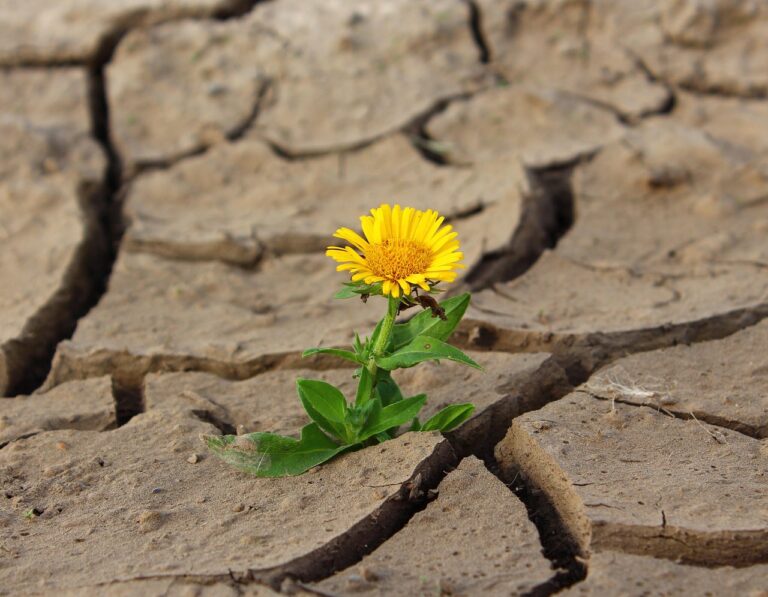
In a world that constantly pushes us forward, demanding our attention and energy, it’s easy to overlook the silent battles fought within. We chase external achievements, material possessions, and social validation, often without pausing to examine the landscape of our own inner world. Yet, lurking beneath the surface of our daily lives can be unresolved hurts, past traumas, and limiting beliefs that silently dictate our present experiences and future potential. This is where the profound power of inner healing steps in – an essential journey not of forgetting the past, but of integrating it, transforming pain into wisdom, and reclaiming a vibrant, authentic self. It’s an invitation to mend the hidden wounds of the soul, paving the way for profound peace, genuine happiness, and a life lived with purpose.
Understanding Inner Healing: A Deep Dive
Inner healing is a transformative process focused on addressing and resolving emotional, psychological, and spiritual wounds accumulated throughout life. It’s not about erasing memories or denying experiences, but rather about processing them, releasing their negative emotional charge, and integrating them into a healthier sense of self. This journey acknowledges that our past experiences, particularly painful ones, can leave lasting imprints that affect our thoughts, feelings, behaviors, and relationships in the present.
What Exactly is Inner Healing?
At its core, inner healing involves a conscious and compassionate exploration of one’s internal landscape. It’s about shining a light into the forgotten corners of our hearts and minds to understand where our current struggles might originate. This can include:
- Processing Trauma: Addressing significant past events that have caused deep emotional pain.
- Releasing Limiting Beliefs: Identifying and challenging negative self-perceptions formed from past experiences (e.g., “I’m not good enough,” “I’m unlovable”).
- Healing Childhood Wounds: Recognizing how early life experiences and relational patterns impact adult functioning.
- Forgiveness: Extending forgiveness to oneself and others, not as condonation, but as a release from the chains of resentment.
Practical Example: Imagine a person who constantly struggles with perfectionism and fear of failure. Through inner healing, they might discover these patterns stem from a childhood where their worth was tied solely to academic achievement or parental approval, leading to an unconscious fear of rejection for anything less than perfect. Healing involves recognizing this pattern and gradually detaching their self-worth from external validation.
Actionable Takeaway: Begin by observing your recurring negative thoughts or emotional triggers. Where might these feelings truly originate?
The Holistic Nature of Inner Healing
Inner healing is rarely a linear process and often encompasses various dimensions of our being. It acknowledges the intricate connection between our mental, emotional, spiritual, and even physical health. Neglecting one area can impact the others.
- Mental Health: Reduces anxiety, depression, and stress by resolving their root causes.
- Emotional Well-being: Enhances emotional regulation, self-compassion, and the ability to experience a fuller range of positive emotions.
- Spiritual Growth: Deepens connection to purpose, meaning, and a sense of belonging.
- Physical Health: Alleviates stress-related physical symptoms, as chronic emotional stress can manifest as headaches, digestive issues, or chronic pain. According to the American Psychological Association, chronic stress is linked to the six leading causes of death.
Actionable Takeaway: Consider how unresolved emotional pain might be manifesting in your physical body or daily thought patterns. Journaling can be a great tool for this exploration.
Why Inner Healing is Crucial for Modern Life
In our fast-paced, high-pressure world, the need for robust inner strength and emotional resilience has never been greater. Inner healing isn’t a luxury; it’s a foundational pillar for navigating life’s challenges with grace and living authentically.
The Silent Burden of Unresolved Pain
When emotional wounds are left unaddressed, they don’t simply disappear. Instead, they can fester and manifest in numerous detrimental ways, often unconsciously shaping our lives. This “silent burden” can lead to:
- Cycles of Self-Sabotage: Repeating patterns that prevent us from achieving our goals or finding happiness.
- Strained Relationships: Difficulty forming healthy attachments, fostering trust, or communicating effectively.
- Chronic Stress and Burnout: A constant state of internal conflict depletes energy and resilience.
- Lack of Fulfillment: Feeling a sense of emptiness or dissatisfaction despite external successes.
- Physical Ailments: As mentioned, emotional stress has tangible physical consequences.
Practical Example: A person repeatedly enters toxic relationships, despite recognizing the unhealthy patterns. Unresolved childhood abandonment issues might be driving an unconscious need for validation, making them susceptible to manipulative partners who exploit this vulnerability.
Actionable Takeaway: Reflect on recurring negative patterns in your life or relationships. Could they be symptoms of deeper, unhealed wounds?
Benefits of Embracing Your Healing Journey
Embarking on the path of inner healing unlocks a cascade of positive transformations, impacting every facet of your existence:
- Enhanced Emotional Intelligence: Greater awareness and management of your own emotions and empathy for others.
- Stronger, Healthier Relationships: Ability to connect authentically and set healthy boundaries.
- Increased Resilience: The capacity to bounce back from setbacks and challenges with greater strength.
- Authentic Self-Expression: Freedom to be your true self, unburdened by past expectations or fears.
- Greater Sense of Purpose and Meaning: A clearer understanding of your values and what truly matters to you.
- Improved Physical Health: Reduction in stress-related symptoms and a greater sense of overall vitality.
Practical Example: Someone who healed from past rejection might find newfound confidence to pursue a dream career, unafraid of potential criticism, because their self-worth is no longer dictated by external approval.
Actionable Takeaway: Envision what your life would look like if you were truly free from the grip of past pain. Use this vision as motivation for your healing journey.
Identifying Your Emotional Wounds
The first step in inner healing is often recognizing that a wound exists. This isn’t always obvious, as many emotional wounds are deeply buried, manifesting as subtle anxieties, recurring emotional patterns, or even physical symptoms.
Common Sources of Inner Pain
Emotional wounds can stem from a wide range of experiences, from significant traumas to seemingly minor slights that accumulate over time. Some common sources include:
- Childhood Trauma: Neglect, abuse (physical, emotional, sexual), abandonment, significant loss, or unstable home environments.
- Relationship Betrayal: Infidelity, broken trust, or profound disappointment in close relationships.
- Loss and Grief: The death of a loved one, loss of a job, significant life changes, or dreams unfulfilled.
- Identity-Related Struggles: Discrimination, bullying, or societal pressures that diminish self-worth.
- Failure and Disappointment: Repeated setbacks or a perceived inability to meet expectations.
Practical Example: A person who was constantly criticized by a parent might internalize that criticism, leading to an adult life plagued by self-doubt and an inability to accept compliments, even from supportive partners.
Actionable Takeaway: Reflect on your life’s most challenging periods. How might those experiences still be influencing you today?
Recognizing the Signs You Need Inner Healing
While the sources of pain vary, the signs that inner healing is needed often present themselves in recognizable patterns:
- Recurring Negative Emotions: Chronic feelings of sadness, anger, fear, guilt, or shame.
- Difficulty Forgiving: Holding onto grudges, resentment, or an inability to forgive oneself.
- Intense Emotional Reactions: Overreacting to minor situations, often disproportionately to the trigger.
- Self-Sabotaging Behaviors: Procrastination, addiction, isolating oneself, or repeating unhealthy patterns.
- Feeling Stuck or Unfulfilled: A pervasive sense that something is missing, or an inability to move forward in life.
- Physical Manifestations: Chronic fatigue, unexplained pain, digestive issues, or frequent illness.
Practical Example: Someone who experiences intense anxiety before social events might be unconsciously reacting to past social rejections or bullying, even if the current situation poses no real threat.
Actionable Takeaway: Pay attention to your emotional responses, especially those that feel overwhelming or disproportionate. These are often signposts leading to unhealed areas.
Practical Pathways to Inner Healing
The journey of inner healing is deeply personal, and there’s no single “right” way. However, various methods and practices have proven effective in guiding individuals toward greater wholeness and peace. The key is finding what resonates with you.
Therapeutic Approaches
Professional guidance can be invaluable, especially for deep-seated trauma or complex emotional wounds. Therapists provide a safe, non-judgmental space and expert tools.
- Cognitive Behavioral Therapy (CBT): Helps identify and change negative thought patterns and behaviors.
- Eye Movement Desensitization and Reprocessing (EMDR): Particularly effective for processing traumatic memories.
- Psychodynamic Therapy: Explores how past experiences and unconscious patterns influence present behavior.
- Internal Family Systems (IFS): Views the mind as having multiple “parts” and helps bring harmony to them.
- Somatic Experiencing (SE): Focuses on releasing trauma stored in the body through physical sensations.
Practical Example: A veteran struggling with PTSD might find EMDR highly effective in reprocessing traumatic combat memories, reducing flashbacks and hypervigilance.
Actionable Takeaway: If you’re grappling with significant pain, consider consulting a licensed therapist. Research different modalities to find one that aligns with your needs.
Self-Guided Practices
Many powerful tools can be integrated into daily life to support your healing journey, often complementing professional therapy.
- Mindfulness and Meditation: Cultivates present-moment awareness, helping to observe thoughts and emotions without judgment.
- Journaling: A powerful way to process thoughts, feelings, and memories, gaining clarity and insight.
- Self-Compassion Practices: Treating yourself with the same kindness and understanding you would offer a friend. Dr. Kristin Neff’s work is a great resource here.
- Creative Expression: Art, music, dance, or writing can be therapeutic outlets for expressing unspoken emotions.
- Nature Connection: Spending time in nature can be profoundly grounding and calming, fostering a sense of peace.
Practical Example: If you struggle with self-criticism, regularly practicing a self-compassion meditation can gradually shift your inner dialogue from harsh judgment to gentle encouragement.
Actionable Takeaway: Choose one self-guided practice that interests you and commit to trying it for 10-15 minutes daily for a week. Observe any shifts in your emotional state.
The Role of Support Systems
You don’t have to walk the healing path alone. Connection and support are vital components of recovery and growth.
- Trusted Friends and Family: Sharing your journey with empathetic individuals can provide comfort and validation.
- Support Groups: Connecting with others who have similar experiences can foster a sense of belonging and reduce isolation.
- Mentors or Spiritual Guides: Individuals who offer wisdom, guidance, and spiritual support.
Practical Example: Joining a grief support group after losing a loved one can provide a space to share feelings, hear others’ experiences, and feel understood in a way that friends who haven’t experienced similar loss might not fully grasp.
Actionable Takeaway: Identify one person or group you feel safe with and consider sharing a small part of your healing journey with them.
Sustaining Your Inner Transformation
Inner healing is not a destination but an ongoing journey. Maintaining the progress you’ve made and continuing to cultivate emotional well-being requires consistent effort and self-awareness.
Building Resilience and Emotional Intelligence
As you heal, you naturally develop greater resilience and emotional intelligence. These are crucial for navigating future challenges without falling back into old patterns.
- Practicing Emotional Regulation: Learning healthy ways to manage intense emotions (e.g., deep breathing, grounding techniques, taking a pause).
- Developing Self-Awareness: Continuously checking in with your emotional state and identifying triggers.
- Cultivating a Growth Mindset: Viewing challenges as opportunities for learning and development, rather than insurmountable obstacles.
- Setting Healthy Boundaries: Protecting your energy and well-being by clearly defining what you will and won’t accept in relationships and situations.
Practical Example: After healing from codependency, someone learns to say “no” to requests that overextend them, thereby protecting their energy and respecting their own needs, which ultimately strengthens their relationships.
Actionable Takeaway: Identify one boundary you need to set in your life (e.g., limiting social media time, saying no to an extra commitment) and practice upholding it.
Integrating Healing into Daily Life
Healing becomes sustainable when its principles are woven into the fabric of your everyday existence. It’s about creating a lifestyle that supports your inner peace.
- Prioritizing Self-Care: Regularly engaging in activities that recharge you physically, mentally, and emotionally.
- Mindful Practices: Incorporating moments of mindfulness into routine activities like eating, walking, or doing chores.
- Continual Learning: Reading books, listening to podcasts, or attending workshops on personal growth and emotional well-being.
- Regular Reflection: Taking time each week to journal, meditate, or simply sit in quiet reflection to check in with yourself.
- Celebrating Progress: Acknowledging and appreciating how far you’ve come, no matter how small the steps seem.
Practical Example: Someone who once neglected their physical health as a manifestation of self-neglect now makes time for daily walks and nutritious meals, understanding these actions are an extension of their commitment to inner healing and self-love.
Actionable Takeaway: Choose one small self-care activity you can commit to daily for the next month, such as a 5-minute meditation or a mindful cup of tea, and observe its cumulative impact.
Conclusion
The journey of inner healing is arguably the most courageous and rewarding adventure you can undertake. It’s a testament to your resilience, your inherent capacity for growth, and your deep desire for a life lived authentically and joyfully. By bravely facing your emotional wounds, understanding their origins, and actively engaging in practices that foster repair and growth, you unlock an extraordinary potential for peace, stronger relationships, and a profound sense of purpose. Remember, healing is not a one-time event but a continuous process of self-discovery, compassion, and integration. Embrace your journey with patience and kindness, for within you lies the remarkable power to transform your past pain into your greatest strength, paving the way for a truly vibrant and fulfilling life.