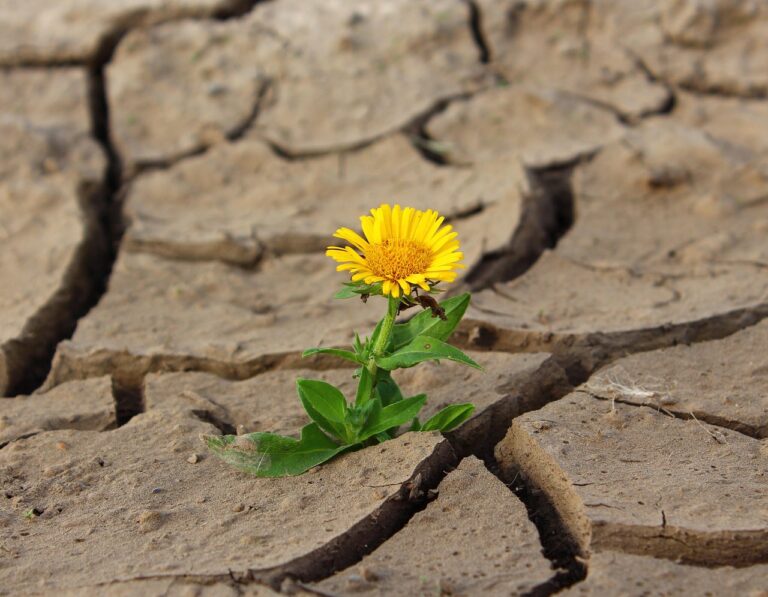
Life, with all its beauty and challenges, often leaves us with invisible scars—wounds from past experiences, relationships, or even unfulfilled expectations. These aren’t physical marks, but deep emotional imprints that can subtly (or overtly) shape our present reactions, beliefs, and interactions. We might feel stuck, overwhelmed, or disconnected, unsure why certain patterns keep repeating. This feeling is a call to explore the profound journey of inner healing – a powerful process of acknowledging, processing, and ultimately liberating ourselves from the burdens of our past to live a more authentic, joyful, and free future. It’s an invitation to cultivate a deeper relationship with ourselves, fostering resilience and profound emotional well-being.
What is Inner Healing? Unveiling Your Path to Wholeness
Defining Inner Healing
Inner healing is a comprehensive, multi-faceted process focused on addressing and resolving emotional, psychological, and sometimes spiritual wounds stored within us. It goes beyond merely coping with symptoms; it seeks to identify and heal the root causes of our distress, allowing us to move forward with greater clarity and peace. It’s not about forgetting the past, but about transforming its impact.
- Holistic Approach: Inner healing considers the interconnectedness of our mind, body, and spirit. A wound in one area often manifests in others.
- Distinction from Traditional Therapy: While often complementary, inner healing often emphasizes self-discovery, spiritual growth (for those inclined), and a deeper connection to one’s intrinsic worth, sometimes incorporating less conventional methods alongside established therapeutic practices.
- Focus on Release: The goal is to release the emotional charge associated with past events, not to erase the memory itself.
The Spectrum of Inner Wounds
These wounds are diverse and can manifest in various ways, often impacting our self-worth, relationships, and overall life satisfaction. Recognizing them is the first step towards transformation.
- Childhood Trauma: Experiences such as neglect, abuse (emotional, physical, sexual), constant criticism, or witnessing conflict. This can lead to attachment issues, anxiety, and low self-esteem in adulthood.
- Relationship Hurts: Betrayal, abandonment, heartbreak, or toxic dynamics in past or present relationships. These often create fear of intimacy, trust issues, or patterns of people-pleasing.
- Grief and Loss: The unresolved emotional impact of losing a loved one, a dream, a job, or even a sense of self. This can manifest as prolonged sadness, anger, or numbness.
- Societal and Cultural Conditioning: Internalized beliefs about who you “should” be, often leading to self-judgment, shame, and a feeling of not being enough.
- Unprocessed Emotions: Suppressed anger, fear, sadness, or guilt that manifest as chronic stress, physical ailments, or sudden emotional outbursts.
Actionable Takeaway: Begin by acknowledging that everyone carries wounds, and recognizing yours is a brave and crucial step. Allow yourself to feel without judgment, even if it’s just for a few minutes each day. This is the bedrock of your inner healing journey.
Why Embark on the Inner Healing Journey?
Investing in inner healing is not a luxury; it’s a fundamental investment in your overall well-being and future happiness. The benefits ripple through every aspect of your life.
Reclaiming Your Authentic Self
Many of us unknowingly live behind masks, shaped by past hurts and societal expectations. Inner healing helps you shed these layers and reconnect with your true essence.
- Shedding Limiting Beliefs: Overcome beliefs like “I’m not good enough,” “I’ll always fail,” or “I don’t deserve love,” which often originate from past negative experiences. For example, if you were constantly told your ideas were foolish as a child, inner healing can help dismantle the belief that “my voice doesn’t matter.”
- Discovering True Potential: When past burdens are released, energy becomes available for creativity, passion, and pursuing goals that truly align with your deepest desires.
- Increased Self-Worth and Confidence: As you heal, you naturally develop a stronger sense of self-love and confidence, moving from external validation to internal knowing.
Enhancing Mental and Emotional Well-being
Unresolved trauma and emotional wounds are significant contributors to mental health challenges. Inner healing directly addresses these underlying issues.
- Reduced Anxiety and Depression: By processing the roots of these feelings, individuals often experience a significant reduction in their intensity and frequency. Many people report feeling a sense of lightness and freedom after effective inner healing work.
- Increased Emotional Resilience: You develop a greater capacity to navigate life’s inevitable ups and downs without being overwhelmed, bouncing back more effectively from setbacks.
- Improved Stress Management: Healing helps regulate the nervous system, reducing chronic stress responses and fostering a sense of calm.
Fostering Healthier Relationships
Our unhealed wounds often project into our current relationships, leading to cycles of conflict, misunderstanding, or distance. Inner healing transforms these patterns.
- Breaking Generational Cycles: Address patterns of communication, addiction, or emotional unavailability that may have been passed down through your family line.
- Setting Healthy Boundaries: Learn to identify your needs and communicate them effectively, fostering relationships based on mutual respect rather than fear or obligation.
- Deeper, More Authentic Connections: As you heal, you attract and sustain relationships that are more supportive, loving, and fulfilling, free from the baggage of past hurts.
Actionable Takeaway: Reflect on one area of your life where you feel stuck or dissatisfied. Could an unaddressed inner wound be contributing to it? Journal about the possible connection, and visualize how your life would change if that wound were healed.
Practical Pathways to Inner Healing
The journey of inner healing is deeply personal, but there are numerous proven practices and resources that can guide you. It often involves a combination of self-guided exploration and professional support.
Self-Reflection and Mindfulness
These practices create the necessary space for awareness and gentle processing of inner experiences.
- Journaling: Dedicate time to writing freely about your thoughts, feelings, and memories, especially those that evoke strong emotions. This can help identify patterns and gain insights.
- Practical Example: If you experienced frequent criticism as a child, journal about those specific memories, the feelings they evoked, and how they might still influence your self-talk today. Ask: “What belief did this create about myself?”
- Mindfulness Meditation: Practice observing your thoughts and emotions without judgment. This can help you create a healthy distance from overwhelming feelings and understand their transient nature.
- Body Scans: Pay attention to physical sensations in your body. Unprocessed emotions often manifest as tension, pain, or discomfort. Gently acknowledging these sensations can be a pathway to release.
Seeking Professional Guidance
For deeper, more complex wounds, professional support is invaluable. A skilled practitioner can provide a safe container and specialized techniques.
- Trauma-Informed Therapy: Look for therapists specializing in methods like EMDR (Eye Movement Desensitization and Reprocessing), Internal Family Systems (IFS), Somatic Experiencing (SE), or Cognitive Behavioral Therapy (CBT). These modalities are designed to help process traumatic memories and emotional triggers.
- Practical Tip: When choosing a therapist, prioritize someone with whom you feel a strong sense of trust and safety. Don’t hesitate to interview a few before committing.
- Coaching and Mentorship: A certified inner healing coach can provide structured guidance, accountability, and support in navigating specific challenges and integrating healing practices into daily life.
- Group Therapy/Support Groups: Sharing your experiences in a supportive community can validate your feelings, reduce isolation, and provide diverse perspectives on healing.
Creative Expression and Embodiment
Healing isn’t always purely cognitive; engaging your body and creativity can unlock powerful pathways to emotional release.
- Art Therapy: Use drawing, painting, sculpting, or other creative outlets to express emotions and experiences that might be difficult to articulate verbally. The act of creation itself can be deeply therapeutic.
- Movement Practices: Engaging in dance, yoga, Qigong, or other forms of conscious movement can help release stored tension and trauma from the body. Yoga, for example, combines physical postures with breathwork and meditation to foster mind-body connection.
- Sound Healing: Practices involving therapeutic sound (e.g., singing bowls, vocal toning) can help shift energy, reduce stress, and promote a meditative state conducive to healing.
Actionable Takeaway: Choose one new practice from this section—be it 10 minutes of journaling, researching a trauma-informed therapist, or trying a guided meditation—and commit to trying it consistently for a week. Observe how you feel.
Navigating the Challenges and Celebrating Progress
The path of inner healing is not linear; it involves moments of breakthrough and moments of struggle. Cultivating patience and self-compassion is key.
Acknowledging Discomfort and Resistance
As you delve into past wounds, it’s natural for discomfort, old emotions, or resistance to arise. This is often a sign that you’re touching on something important.
- Emotional Surges: You might experience temporary increases in sadness, anger, fear, or anxiety as old emotions surface. This is a normal part of the processing.
- Self-Doubt: Thoughts like “This isn’t working,” “I’m too broken,” or “It’s easier to just ignore it” are common forms of resistance. Recognize them as defense mechanisms, not absolute truths.
- Fatigue: Inner healing work can be emotionally and mentally exhausting. Allow yourself ample rest and gentle activities during intense periods.
Cultivating Self-Compassion
Being kind and understanding towards yourself, especially during difficult moments, is paramount. Treat yourself as you would a dear friend.
- Practice Positive Self-Talk: Replace harsh self-criticism with gentle encouragement.
- Practical Example: Instead of thinking, “I should be over this by now,” reframe it as, “I am doing my best, and healing takes time. It’s okay to feel what I’m feeling.”
- Give Yourself Permission to Rest: Don’t push through exhaustion. Schedule breaks, engage in soothing activities, and prioritize sleep.
- Embrace Imperfection: Understand that setbacks are part of the process, not failures. Each challenge offers an opportunity for deeper learning and growth.
Recognizing and Celebrating Milestones
It’s crucial to acknowledge how far you’ve come. Celebrating progress, no matter how small, reinforces positive change and motivates you to continue.
- Improved Emotional Regulation: Noticing that you’re less reactive, can calm yourself more easily, or experience shorter periods of intense distress.
- Stronger Boundaries: Finding it easier to say “no,” protect your energy, and communicate your needs clearly.
- Increased Joy and Peace: Experiencing moments of genuine happiness, contentment, and inner calm more frequently.
- Healthier Relationships: Observing positive shifts in your interactions with others, feeling more connected, or noticing a reduction in conflict.
Actionable Takeaway: Keep a “healing journal” where you jot down insights, breakthroughs, and moments of progress. Review it regularly to see how far you’ve come. When discomfort arises, remind yourself that it’s a sign of progress, not regression.
Sustaining Your Inner Healing Journey
Inner healing isn’t a destination; it’s an ongoing process of growth and self-discovery. Integrating healthy practices into your daily life ensures continued well-being.
Building a Supportive Ecosystem
Surround yourself with people and environments that nurture your healing and growth.
- Healthy Relationships: Cultivate connections with individuals who are empathetic, supportive, and respectful. Limit or distance yourself from those who are draining or detrimental to your well-being.
- Community and Connection: Join groups or communities (online or offline) that resonate with your values or shared interests, fostering a sense of belonging and mutual support.
- Professional Check-ins: Even after intensive healing, periodic check-ins with a therapist or coach can provide valuable support and help navigate new challenges.
Continual Self-Care Practices
Inner healing is nurtured by consistent self-care, encompassing various aspects of your life.
- Mindfulness and Meditation: Regular practice helps you stay present, manage stress, and maintain emotional equilibrium. Even 5-10 minutes daily can make a difference.
- Physical Well-being: Prioritize nutritious food, regular exercise, and adequate sleep. These fundamental practices directly impact your emotional and mental health.
- Creative Outlets: Continue to engage in activities that bring you joy and allow for creative expression, whether it’s music, writing, gardening, or crafting.
- Nature Connection: Spending time outdoors has profound benefits for stress reduction and mental clarity.
Embracing Lifelong Growth
View life’s challenges as opportunities for continued learning and evolution, rather than obstacles.
- Learning from Experiences: Reflect on new challenges or triggers with curiosity, asking what they might be trying to teach you about yourself.
- Evolving Perspective: Understand that your inner landscape will continue to shift and change. Embrace the process of becoming, rather than striving for a fixed state.
- Generosity and Service: Once you’ve experienced significant healing, consider how you can use your wisdom and empathy to support others on their journeys.
Actionable Takeaway: Identify one consistent self-care practice you can commit to for the next month, and schedule it into your routine. This consistent effort reinforces the neural pathways for peace and resilience.
Conclusion
The journey of inner healing is one of the most courageous and rewarding endeavors you can undertake. It’s a profound process of self-discovery, liberation, and transformation, leading you away from the shackles of past wounds towards a life rich in authenticity, joy, and meaningful connection. By understanding what inner healing entails, committing to practical steps, and cultivating unwavering self-compassion, you empower yourself to break free from old patterns and step into your fullest potential. Remember, you are worthy of healing, and your journey, though unique, is a testament to your incredible strength. Take that first step today—your future self will thank you for it.